
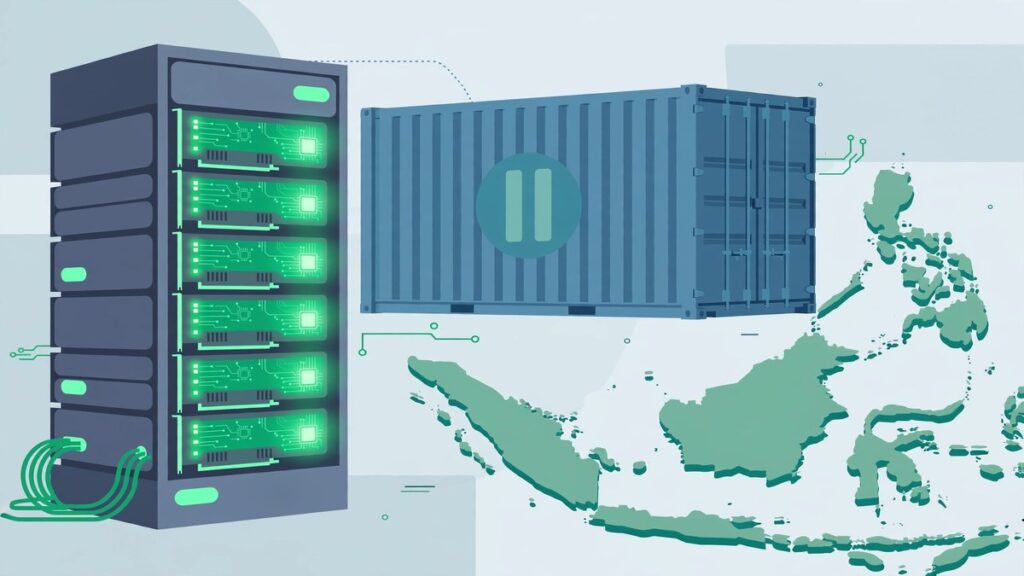
According to TechCrunch, Nvidia has told manufacturing partners including Dell and Super Micro to pause server shipments to Malaysia, Singapore, Thailand and Indonesia for an unspecified period. The pause follows a Wall Street Journal report and comes as the chipmaker checks whether regional partners are meeting United States export requirements.
Engadget reported that the halt follows a Financial Times account in which partners told clients Nvidia would not allow their server orders to be sent to the four countries, and that it is unclear whether the halt is temporary. The news came days after Nvidia reinstated Jensen Huang as chief executive. In recent years Chinese AI labs have rented access to Nvidia chips through cloud providers in the region, using a gap in United States export controls that the Commerce Department moved to close earlier in November.
The Institute for Progress, a think tank cited by TechCrunch, estimates that remote data centres of this kind supply about 24 percent of China's AI computing power. Under the new United States rule, data centres already providing large amounts of computing power to companies based in China have 90 days from 19 November to obtain a licence if they want to continue. One cloud executive told the Financial Times there is no guidance on how to apply for the licence while the 90-day clock is ticking, calling the situation sheer chaos in the region.
Why it matters
The pause is striking because it is enforcement by logistics rather than by law. Washington's new rule requires licences for advanced chips shipped to the four countries, but there is still no guidance on how to apply for one, so Nvidia chip shipments have simply stopped while the paperwork catches up. That protects the company from accusations that it looked the other way, but it also freezes legitimate business in four of Asia's fastest-growing data centre markets, and nobody can say how long the freeze lasts.
The scale of what is at stake is visible in Nvidia's own numbers. Engadget reported that Nvidia booked 104 billion dollars in revenue through its Singapore subsidiary in 2025, a 72 percent increase on the year before, as Chinese demand drove a data centre construction boom across Southeast Asia. If a quarter of China's AI computing power really does flow through remote data centres in the region, as the Institute for Progress estimates, then the pause is not a minor compliance delay but a sudden cut to a major artery of the global AI build-out.
The Megaspeed scandal is the reason the pause is happening now rather than later. The Singapore-based cloud company was the region's biggest buyer of Nvidia chips before it was accused of smuggling them to China, and the Commerce Department added it to its Entity List, meaning American companies now need a licence to ship it controlled goods. Huang's return as chief executive does not settle any of this: the Justice Department is investigating whether Megaspeed broke export rules, and Congress and California's attorney general are pressing Nvidia for answers.
The timeline: Jensen Huang resigned on 12 November; Washington announced the new licensing rules on 19 November; Huang was reinstated on 23 November; the Commerce Department added Megaspeed to its Entity List; and the shipment pause was reported on 26 November.
What to watch next
Watch whether the pause lifts or hardens. If licences start flowing within the 90-day window, the episode will be remembered as a short compliance shock. If guidance never arrives, manufacturers may reroute supply chains away from Southeast Asia entirely, and the region's data centre boom will stall.
Watch the smaller cloud providers, too. The biggest operators can afford lawyers and licences; the neoclouds that borrowed heavily to buy Nvidia hardware cannot. A long pause could push some of them into distress, which would in turn test the financing Nvidia itself has extended across the AI infrastructure boom.
Frequently asked questions
Which countries are affected by Nvidia’s shipment pause?
Malaysia, Singapore, Thailand and Indonesia. Nvidia told manufacturing partners including Dell and Super Micro to pause server shipments to those four countries while it checks compliance with United States export rules.
Why has Nvidia paused chip shipments to Southeast Asia?
Chinese AI labs have been renting access to Nvidia chips through cloud providers in the region, bypassing United States export controls. Washington moved to close that loophole in November, and Nvidia is pausing shipments while it assesses whether its partners meet the new requirements.
How much of China’s AI computing comes from Southeast Asia?
The Institute for Progress estimates that remote data centres in the region supply about 24 percent of China’s AI computing power, which is why the pause matters far beyond the four countries named.
Is the pause permanent?
It is unclear. The Financial Times reported that partners were told shipments would not be allowed, without saying whether the halt is temporary, and Nvidia has not given a date for resuming them.


