
According to Reuters, Swedish defence equipment maker Saab said on Saturday 28 November 2026 that it had received an order worth 450 million euros, about $492 million, from the Ukrainian armed forces for its Giraffe 1X radars. Deliveries for the order will take place in 2027, Saab said in a statement.
Saab confirmed in its own press release that it has signed a contract and received an order from the Ministry of Defence of Ukraine for Giraffe 1X systems for the Ukrainian Armed Forces. The order value amounts to EUR 450 million and deliveries will take place during 2027.
Capital.com reported the same figures, noting that Saab said on Saturday it had received an order worth 450 million euros, about $492 million, from the Ukrainian armed forces for its Giraffe 1X radars, with deliveries in 2027. Saab did not say how many radars the contract covers.
Why it matters
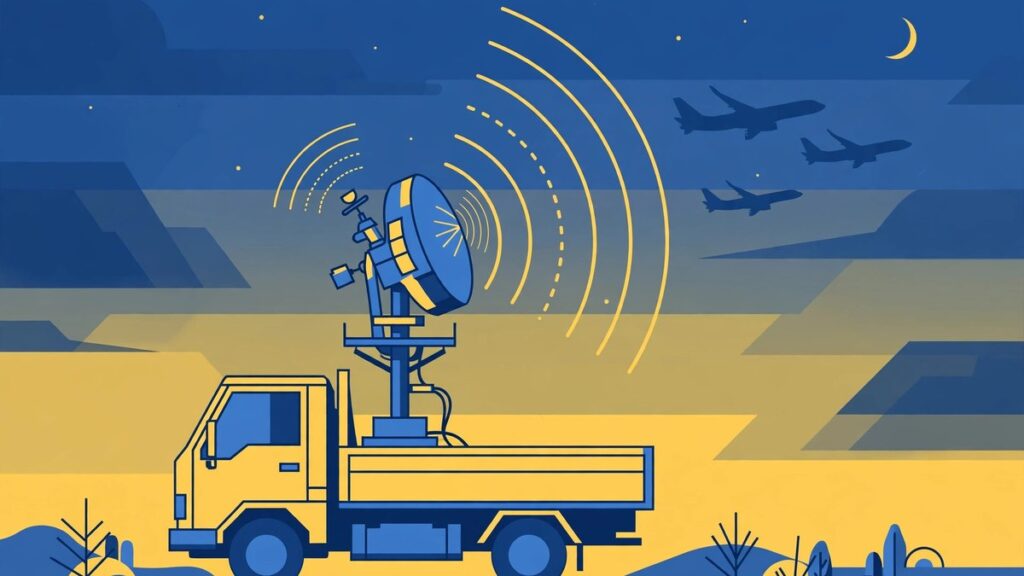
The system at the centre of the deal is small, mobile and built for a war in which the threat comes from above every night. Saab said Giraffe 1X is a high-performing 3D radar deployed in the Compact Radar Module configuration, rapidly deployable and easily moved between platforms such as a truck, a trailer, a mast or a rooftop. It provides 360-degree air surveillance, detecting, tracking and classifying aircraft, missiles, RAM threats and drones, with updates every second, even in cluttered environments. In a conflict defined by nightly Russian drone and missile attacks, a radar that can move, hide and keep watching is worth more than a larger fixed system that can be targeted.
The timing matters as much as the hardware. The order was announced on 28 November 2026, as Ukraine faces another punishing winter with no sign of backing down, a story NationFrame covered on 28 November. Winter is when Russia has historically intensified attacks on energy infrastructure, and air defence is the difference between a blackout and a night with power. Deliveries during 2027 mean the radars will arrive in time for the next winter as well as the current one, but they will not change the air picture overnight. The gap between announcement and delivery is where Ukraine air defences remain stretched.
Saab chief executive Micael Johansson said he was truly proud that Sweden and Saab can offer the Giraffe 1X radar system to Ukraine, adding that it will strengthen the country ability to detect, track and classify a wide range of airborne threats, enhance situational awareness and support more effective air defence operations. That language is standard for a defence announcement, but the pride is also commercial: Saab is turning a war-time order book into a long-term export business, and Ukraine is becoming a reference customer that other countries will watch when they buy their own air surveillance systems.
The deal also fits a wider European pattern. Defence spending across Europe has surged since Russia full-scale invasion of Ukraine, and Saab order book has grown with it. The Giraffe 1X order follows other large Saab contracts, including Gripen fighters and GlobalEye surveillance aircraft, and it shows that the demand is no longer only for big platforms such as jets and ships. The bottleneck in modern air defence is often the sensor, the radar that sees the drone before it reaches its target, and the command system that decides what to shoot at. A 450 million euro radar order is a bet on sensors, not just on shooters.
For Ukraine, the value of the deal is not only in the radars themselves but in what they connect to. A radar that detects a drone is useful only if the information reaches the gun, the missile battery or the interceptor drone in time. Giraffe 1X is designed to feed that chain, providing updates every second and classifying threats so that defenders can prioritise the most dangerous ones. In a night when dozens or hundreds of drones arrive at once, classification is as important as detection: shooting at every contact wastes ammunition, while missing the real threat costs lives and infrastructure.
The missing detail is the number of systems. Saab did not say how many radars the contract covers, and without that figure it is hard to judge how much of Ukraine sky the order will cover. A 450 million euro order could mean a handful of high-end systems or a larger number of compact modules, and the difference matters for how widely they can be deployed. The company disclosure was made under the EU Market Abuse Regulation, submitted for publication on 28 November 2026 at 16:45 CET, which suggests the value was material enough to require prompt disclosure, but the unit count was left out, perhaps for operational security or because the configuration is still being finalised.
What to watch next
Watch for the first delivery in 2027 and for any follow-on order. If Ukraine reports that Giraffe 1X systems are in service and performing well against drones, other European countries facing the same threat are likely to order the same system.
Watch Saab next quarterly results for the effect on its order book and sales. Defence orders of this size take time to turn into revenue, but they signal to investors and to competitors that Sweden defence industry is now a central supplier to Ukraine war effort.
Frequently asked questions
How much is the Saab radar order from Ukraine worth?
The order is worth EUR 450 million, about $492 million, for Giraffe 1X radar systems for the Ukrainian Armed Forces.
When will the Giraffe 1X radars be delivered?
Saab said deliveries will take place during 2027. The company did not say how many radars the contract covers.
What does Giraffe 1X do?
Giraffe 1X is a compact, mobile 3D radar that provides 360-degree air surveillance, detecting, tracking and classifying aircraft, missiles, drones and RAM threats with updates every second.
Why does Ukraine need more radars now?
Ukraine faces nightly Russian drone and missile attacks, and radars that can detect and classify threats quickly are essential to air defence, especially as winter attacks on energy infrastructure intensify.


