
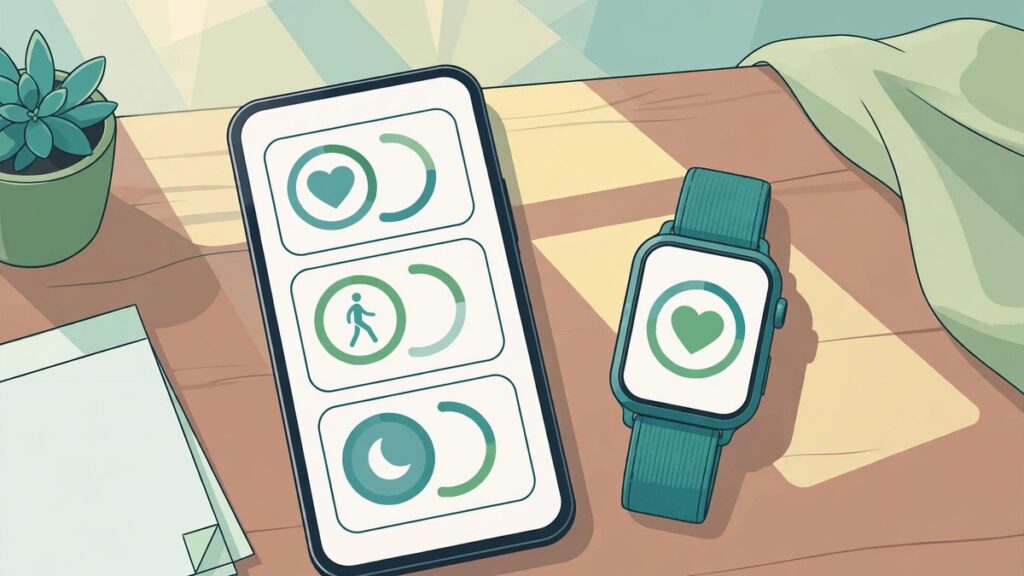
According to Wired, the Google Health app works without a wearable, pulling activity data straight from an Android or iPhone, and a handful of settings changes can make it far more useful. The guide sets out seven pro tips, from organising the Today page to switching the Gemini-powered AI Coach off.
The Google Health app tips start with the basics: tap the Connections icon at the top left, then Phone, to start pulling data from a smartphone, so no watch or tracker is required. The Today page can be organised with the pen icon underneath the top bank of widgets, adding widgets with the plus icon and removing them with the minus icon, and workouts can be added manually by tapping Log, then Activity, and picking a type such as Walk, Basketball or Indoor climbing.
Goals are set by tapping the profile picture at the top right, then Google Health settings and Activity, and the same menu holds the stride length setting that improves tracking accuracy. Technologist Mag noted that the app also lets wearers say which wrist their wearable is usually on, under Device preferences, for more accurate step and movement tracking. DailyFoxNews carries the same guide, and Red Hot also published the seven tips for its readers.
Why it matters
The most important idea in the guide is the one most people miss: the Google Health app does not need a wearable at all. Google Health is the successor to the Fitbit app and Google Fit, and it treats the phone in your pocket as a legitimate sensor, counting steps and movement without any watch on your wrist. That matters because the biggest barrier to health tracking has always been hardware: people who cannot afford or do not want a tracker have historically been locked out of the data entirely. A phone-only setup is less precise than a dedicated wearable, but it is infinitely better than no tracking, and it turns health data from a gadget hobby into something anyone with a smartphone can use.
The Today page advice sounds cosmetic, but it is really about behaviour. A dashboard that shows the metrics you care about, and hides the ones you do not, gets opened; a dashboard full of numbers you never asked for gets ignored. The pen icon underneath the top bank of widgets is the control most users never find, and the plus and minus controls let the page reflect actual goals rather than defaults. The same logic applies to goals themselves: targets set in the Activity settings reshape the layout of screens throughout the app and trigger notifications, so a goal is not just a number but a change to how the app behaves. Setting a goal carelessly means being nagged about the wrong thing.
Manual workout logging is the feature that rescues the app from its own automation. Automatic detection is good at recognising a run and bad at recognising a climbing wall, a basketball game or a dance class, and the activities the app misses are often the ones that matter most to the person doing them. Tapping Log and then Activity to record a session by hand closes that gap, and it also changes the psychology of the app: the record becomes something you curate rather than something that happens to you. For anyone whose exercise does not look like jogging, manual entry is not a workaround but the main way the app becomes accurate.
Accuracy settings are where the guide earns its keep, because bad data is worse than no data. Stride length, set in the Activity settings, lets the app convert steps into distance using your actual gait rather than a population average, which matters more the further your stride is from typical. Telling the app which wrist your wearable sits on sounds trivial, but step counting depends on the accelerometer's orientation, and a wrong-wrist setting introduces systematic error into every reading. These are small settings with outsized effects, and they are buried two menus deep, which is exactly why a tips guide exists.
The Premium tier is the commercial heart of the story, and it deserves a sceptical reading. Google Health Premium costs 10 dollars a month and replaces the old Fitbit Premium, offering personalised and adaptable health plans, a Gemini-powered AI Coach that gives workout recaps and fitness advice based on recorded metrics, more detailed sleep summaries with stages and scoring, and a library of guided workouts and mindfulness sessions. That is a real bundle, but it is also a subscription for features that used to be part of buying a Fitbit, and the free tier is deliberately less complete. The wrinkle worth knowing is that Google's AI plans at the 20-dollar-per-month tier or higher include Health Premium as part of the bundle, alongside Google Home Premium and YouTube Premium Lite, so some subscribers already have it without realising.
The AI Coach toggle is the most interesting tip because it is about control, not capability. The Coach sits on the Today page offering insights, and some users will find a Gemini-powered summary of their workouts genuinely useful, while others will find it intrusive or simply wrong. The guide explains how to hide it or opt out entirely through the profile picture, then Google Health settings, then Coach, and that choice matters more than it seems. Health data is intimate, and an AI that comments on your body every morning changes the relationship with the app; being able to switch it off without losing the rest of the app is a design decision worth praising, and users should know it exists before they decide the app is not for them.
What this guide really describes is a platform transition. Google is folding Fitbit into Google Health, retiring the old app and asking users to rebuild their habits inside a new one. Transitions like this always lose some users, and the ones who stay are the ones who learn the new layout quickly. The seven tips are, in that sense, a survival guide for a migration Google has already decided on, and the users who organise their Today page, set their goals and calibrate their stride will get more from the new app than the users who open it once, find it unfamiliar and never return.
What to watch next
Watch for the rollout of version 5.13 of the Google Health app, which adds a workout-in-progress card to the Today screen and lets swimmers set pool length in yards, and for the 28 November cutoff after which older Fitbit Sense and Versa watches can no longer install new third-party apps or clock faces.
Watch also whether Google keeps the free tier useful or pushes more features behind the 10-dollar Premium subscription. The balance between the free app and the paid tier will decide whether Google Health becomes a genuine public health tool or just another subscription.
Frequently asked questions
Do I need a wearable to use the Google Health app?
No. The app can pull activity data straight from an Android or iPhone: tap the Connections icon at the top left, then Phone. A wearable adds accuracy and heart-rate data, but the phone alone is enough to start tracking.
How do I organise the Today page in Google Health?
Tap the pen icon just underneath the top bank of widgets on the Today page. Use the plus icon to add a widget you want and the minus icon to remove one, so the page shows the stats that matter to you.
What does Google Health Premium cost and include?
Google Health Premium costs 10 dollars a month and replaces Fitbit Premium. It includes personalised health plans, a Gemini-powered AI Coach, detailed sleep summaries and scoring, and guided workouts and mindfulness sessions. It is also included in Google’s AI plans at the 20-dollar tier or higher.
How do I turn the AI Coach off in Google Health?
Tap your profile picture at the top right, then Google Health settings, then Coach. From there you can opt out of the Coach feature entirely or just hide its main insights from view.


