
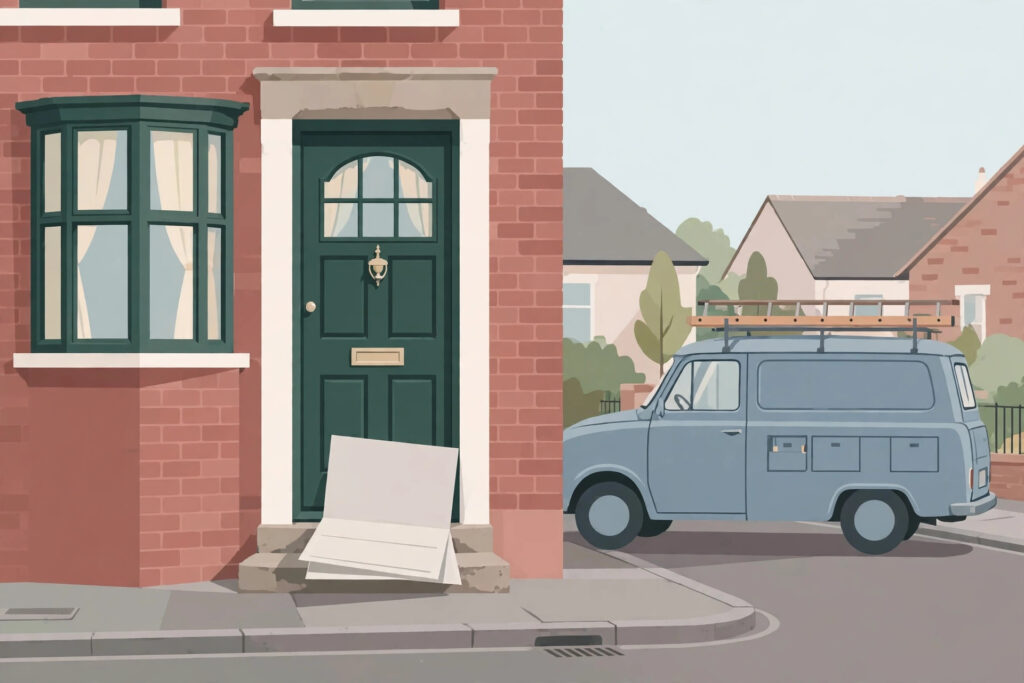
According to the BBC, organised networks of rogue plumbers and electricians are scamming customers on a large scale, turning small jobs into bills of thousands of pounds, with Trading Standards putting the average rogue trader call-out scam at about £10,000.
One victim, Clive, who lives in London and is undergoing treatment for cancer, told the BBC he was billed £9,153 for fitting an outdoor socket in his garden, a job an independent electrical expert said was done improperly, left in an unsafe state and should have cost no more than £250. The engineer spent about two hours at the property before presenting the bill, and Clive said he felt pressured to pay because the work had already been completed. His bank refunded him after the BBC contacted it.
The BBC investigation found that Nessar Khawaja, a 23-year-old who used the online name ThatGuyNess and had almost 70,000 social media followers, is a key figure within an organised group that is systematically ripping off customers and teaching others to do the same. An associate told an undercover BBC journalist that engineers working for the network had to hand over 60% of every job to the network. Khawaja denied any wrongdoing and said his social media posts were intended as light-hearted comedy. TikTok said it banned his account for breaching its rules on fraud and scams.
Why it matters
The most disturbing part of this story is not the size of the bills but the system behind them. A single rogue trader is a nuisance; a network with recruitment videos, revenue shares and lookalike company names is an industry. The BBC found engineers handing over 60% of each job to the network, which means the person at your door is not really running a business at all. He is a franchisee in a machine designed to extract as much as possible from a moment of panic, and the machine rewards him for charging more, not for doing good work. That is why the bills follow the same pattern: a small quoted job, a sudden discovery of extra problems, pressure to pay on the spot.
The victims are chosen by circumstance as much as by design. Clive was undergoing cancer treatment when a tradesman charged him £9,153 for a socket. Another man, Tom, called a top Google listing for a £49 leak repair and ended up with a £6,237.60 invoice from a company he had never called, then received threatening calls after he complained. These are people who needed help urgently and had no time to check credentials, compare quotes or read reviews. The scam works precisely because a leaking pipe or a dead socket does not wait for due diligence, and the networks know it.
Google sits at the centre of this, and so far it has not explained itself. Both victims found their traders through Google listings, and the networks exploit the platform in two ways: paying for top placement, and copying reputable company names with tiny changes so customers think they are calling someone trustworthy. Tom thought he had called one company and the invoice named Ibby & Co. Ltd. When a search engine becomes the front door for emergency trades, the quality of its listings is a consumer protection issue, not a technical detail. The BBC reports that Google has not explained why these traders could advertise at all.
The social media angle matters too, because it shows how the networks recruit. Khawaja posted TikTok videos showing his work as a plumber and explaining how he made thousands of pounds, and claimed in one video that he had electricians working for him who made more than £40,000 a month. Whether or not those figures are true, the videos function as recruitment adverts for young men who see a fast route to money. TikTok banned the account for fraud and scams, but the playbook has already been demonstrated to thousands of followers. Every platform that hosts get-rich-quick trade content needs to ask what it is actually advertising.
Enforcement is fragmented, and that is part of the problem. Police in London and Essex have both received reports, Trading Standards tracks the average loss, and the banks sometimes refund victims as a gesture of goodwill, as Clive's bank did. But no single body owns the whole chain from the Google advert to the card reader at the door. The BBC has not seen evidence that Khawaja controls or runs Chriss Electrician Ltd, the company that billed Clive, although Companies House records tie his firms to the same Ilford building. That careful distinction matters: this is an allegation about a network, and the legal work of proving who ran what will take time. In the meantime, consumers are left to protect themselves.
There are practical defences, and they are worth repeating because they genuinely work. Get a written quote before work starts and refuse to pay for extras that appear mid-job without a second opinion. Check Gas Safe registration for gas work and NICEIC certification for electrical work. Be suspicious of any trader who demands immediate payment by card reader for a job you did not agree to in advance. And if you have been overcharged, report it to Trading Standards and your local police, because enforcement teams build cases from patterns, and your report may be the one that connects a network together.
What to watch next
Watch what Google and TikTok do next. If Google tightens verification for trade adverts and TikTok keeps removing recruitment-style scam content, the networks lose their two cheapest tools: visibility and labour. If neither platform changes, expect the same model to spread to other trades, because a system that reliably turns a £250 job into a £9,000 bill will not stay confined to plumbing and electrics.
Watch too whether regulators treat this as organised fraud rather than a series of individual disputes. Trading Standards puts the average loss near £10,000, which means the total sums involved are large, and the recruitment structure suggests coordination. The question for the coming months is whether anyone brings a case that targets the network itself, not just the person holding the card reader.
Frequently asked questions
How do rogue trader networks operate?
According to the BBC, organised networks of plumbers and electricians advertise online, often through paid Google listings or lookalike company names. Engineers are recruited through social media and must hand over a share of each job, reported at 60%, to the network, which rewards high bills.
What happened to Clive, the cancer patient in the BBC investigation?
Clive, who lives in London, was billed £9,153 for installing an outdoor socket, a job an independent expert said should have cost no more than £250 and was left unsafe. He felt pressured to pay, but his bank refunded him after the BBC contacted it.
How much does the average rogue trader scam cost victims?
Trading Standards said the average rogue trader call-out scam now costs the victim about £10,000, a figure that shows how quickly small jobs can escalate into very large bills.
How can I protect myself from rogue traders?
Get a written quote before work starts, check Gas Safe registration for gas work and NICEIC certification for electrical work, and be wary of traders who demand immediate card payment for unagreed extras. Report suspected scams to Trading Standards and the police.


