
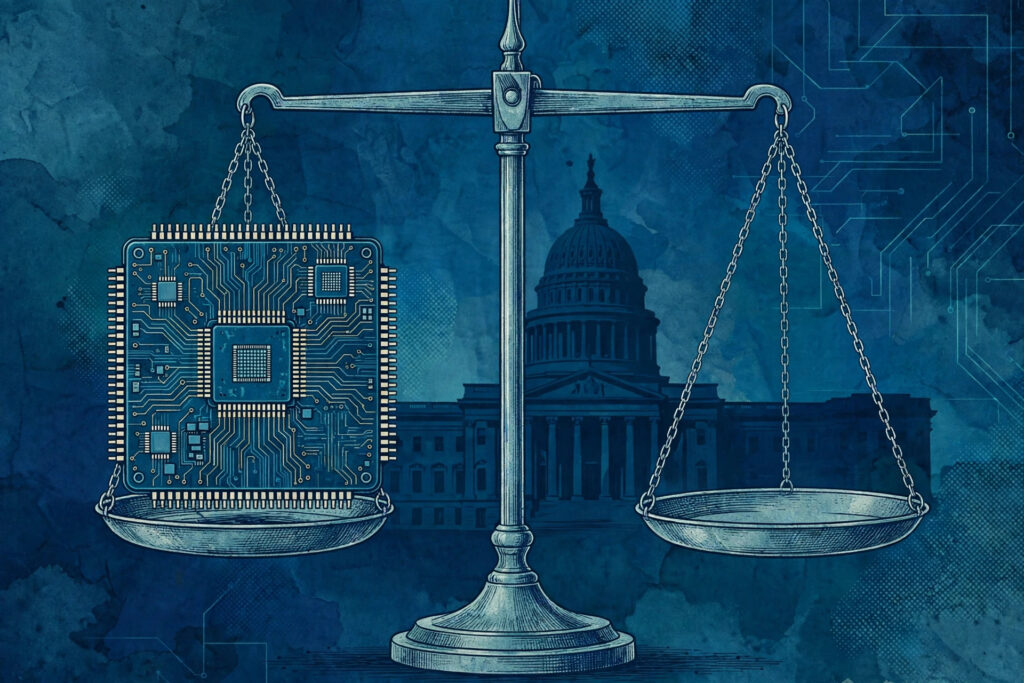
Court documents in a shareholder lawsuit allege the Trump administration pressured Intel in August 2025 to hand the United States government a 10 percent stake, warning that rejecting the deal would bring consequences, before the board agreed days later, according to reporting by Wired.
According to internal notes from a company call contained in a federal lawsuit, Commerce Department lawyer David Shapiro told Intel's chief financial officer in August 2025 not to make the mistake of thinking the proposal was a negotiation, and that the president was expecting to announce a deal on those terms on Friday. Shapiro acknowledged the board could choose not to accept the offer, but noted that rejection would have consequences he could not predict.
Days later, the board gave the administration what it wanted. President Donald Trump posted that the United States now fully owned and controlled 10 percent of Intel, that it had paid nothing for the shares, and that the shares were valued at approximately 11 billion dollars. The 10 percent stake was given in exchange for releasing 8.9 billion dollars in federal grants the company had already won, much of it under the CHIPS Act. Intel's lawyers have disputed the lawsuit's characterisation and maintained that the company negotiated a mutually beneficial agreement.
Why does the Intel 10% stake matter?
The Intel 10% stake matters because it shows the Nvidia episode was not a one-off. Fifteen months before the White House pressed Nvidia's board to reinstate Jensen Huang, the same administration was pressing Intel's board over ownership and leadership, using the same combination of public demands and private warnings. The two cases differ in detail, but together they describe a pattern: a government that treats the chip industry's biggest companies as instruments of national policy rather than as independent businesses.
The leverage used against Intel is the part that should concern anyone who cares about how government works. Intel had already won up to 11 billion dollars in grants and contracts under the CHIPS Act during the previous administration, and had collected about 2.2 billion dollars by March 2025, when the administration froze the remaining 8.9 billion. The money was then offered back in exchange for a 10 percent stake. That is not a normal commercial negotiation, in which both sides can walk away; it is a deal made with money the company had already been promised and was counting on.
The shareholder lawsuit puts the sharpest version of the charge. Brought by Intel shareholder Richard Paisner, it alleges that the board, operating under the shadow of the president's threats, caved to the government's extortion. Intel's lawyers dispute that account, and the allegations have not been proven in court. But the internal notes quoted in the filings are specific and detailed, and they match the public record of what happened next. Readers should treat the lawsuit's claims as allegations, while noting that the documents behind them are now part of the public record.
The context around Intel's chief executive adds another layer. Trump had publicly demanded that chief executive Lip-Bu Tan resign after reports about his investments in hundreds of Chinese technology companies, including some linked to China's military. Tan met the president and senior officials in August 2025 and offered to put his China holdings in a blind trust. The contrast with Nvidia is striking: in one case the administration accused a chief executive of being too close to China, while in the other it dismissed intelligence concerns about a chief executive's connections. What the two cases share is the administration deciding, in public, who should run America's chip companies.
Timeline: the Intel stake deal
- March 2025: Intel has collected about 2.2 billion dollars of the grants it won under the CHIPS Act when the administration freezes the remaining 8.9 billion dollars.
- August 2025: A Commerce Department lawyer tells Intel’s chief financial officer the proposal for a 10 percent government stake is not a negotiation, and Trump publicly demands chief executive Lip-Bu Tan resign.
- Days later: Intel’s board agrees to the deal, and Trump announces the United States now owns 10 percent of Intel, with the frozen 8.9 billion dollars in grants released.
What should you watch next?
Watch how the shareholder lawsuit proceeds, and whether the court accepts or rejects the claim that Intel's board acted under government coercion, since a ruling would set a precedent for future cases.
Watch also whether the administration seeks similar stakes in other companies, and how the more than 20 equity deals it has struck with major firms develop over time.
Frequently asked questions
What did the Trump administration allegedly demand from Intel?
Court documents allege the administration demanded a 10 percent stake in Intel in exchange for releasing 8.9 billion dollars in grants the company had already won, warning that rejection would have consequences.
What did Intel receive in return?
Intel agreed to give the government a 10 percent stake, and the frozen 8.9 billion dollars in federal grants was released. Trump said the government paid nothing for shares then valued at about 11 billion dollars.
Who brought the lawsuit?
Intel shareholder Richard Paisner sued Intel’s board, alleging the board caved to government extortion. Intel’s lawyers dispute that characterisation and say the company negotiated a mutually beneficial agreement.
How does this connect to Nvidia?
The Intel case came about 15 months before the administration pressed Nvidia’s board to reinstate Jensen Huang, and both episodes show the White House intervening directly in the leadership and ownership of major chipmakers.


